Youth group summer camp planning works best as a 10-to-12-month sequence. Start with ministry goals and camp selection, then build the all-in budget, recruit adult leaders, communicate with parents, confirm transportation and lodging, collect forms, prepare students, brief leaders, and schedule post-camp follow-up before departure.
This church summer camp planning guide works for groups of different sizes and camp models. Adjust the dates to match your church calendar and the camp’s current deadlines.
Youth camp planning checklist
- Define two or three ministry outcomes.
- Compare teaching, worship, leader support, lodging, meals, travel, and full cost.
- Create a budget with transportation, leader, meal, supply, and contingency categories.
- Recruit and train adult leaders early.
- Give parents one clear information source.
- Track registration, payments, forms, rooming, and transportation together.
- Prepare students for the schedule, phones, small groups, and expectations.
- Schedule the leader debrief and student follow-up before camp.
Table of contents
- 10 to 12 months: goals and camp selection
- 8 to 10 months: budget
- 7 to 9 months: leaders
- 6 to 8 months: parent communication
- 4 to 6 months: registration and lodging
- 2 to 4 months: travel, forms, and care
- 4 to 8 weeks: student preparation
- 1 to 2 weeks: final briefing
- After camp
- Leader FAQs
10 to 12 months before camp: define outcomes and choose the camp
Name what you want the week to strengthen. Examples include small-group trust, student participation, leader relationships, first-time student inclusion, or a clearer next step after camp. Compare camps against those outcomes rather than the highlight reel.
Confirm current dates, location, teaching approach, worship format, adult ratios, leader expectations, lodging, meals, transportation responsibilities, payment schedule, cancellation policy, accessibility, medical support, and registration flexibility. Use the neutral Christian camp comparison guide and the dated 2027 comparison worksheet for distinct planning tasks.
8 to 10 months before camp: build the all-in budget
Do not treat the camp’s listed fee as the whole trip. Budget categories may include:
- Camp registration and lodging
- Charter bus, vans, fuel, tolls, parking, and drivers
- Travel meals and snacks
- Adult leader costs
- Shirts, supplies, and group identifiers
- Insurance or church-required expenses
- Scholarships and fundraising costs
- Contingency funds
Separate fixed costs from per-person costs. Set family payment dates earlier than the camp’s deadlines. Avoid publishing current prices until they are confirmed through official sources. The youth camp budgeting guide covers payment plans, scholarships, and fundraising in more detail.
7 to 9 months before camp: recruit and prepare adult leaders
Invite leaders personally. Explain the spiritual role, supervision duties, schedule, travel, cost, sleeping arrangements, training, and church policies. Recruit adults who can stay calm, follow procedures, notice isolated students, and lead honest conversations.
Plan for gender representation, accessibility support, administrative strength, transportation roles, and any care responsibilities your church requires. BigStuf’s Leader Labs show one way a camp can support the adults serving students.
Leader Labs are available at camp and all year long. Sessions during camp are included in camp registration. A separate year-round subscription provides a monthly Culture Intelligence Brief, weekly curated resources for youth leaders, adult volunteers and parents, and an annual Leader Training Experience. Explore both Leader Labs options.

6 to 8 months before camp: give parents the whole plan
Create one parent hub, document, or email sequence covering purpose, dates, location, full family cost, payment dates, transportation, lodging, supervision, meals, forms, medication process, phone rules, packing, emergency communication, and a named contact.
Explain why the church chose this camp. Link families to a useful parent guide to Christian summer camp instead of relying only on promotional material.
4 to 6 months before camp: convert interest into registration
Track student and leader registration, payments, scholarship needs, forms, rooming, transportation, dietary information, allergies, and accessibility needs in one controlled system. An interest form is not a final roster.
Lodging questions to resolve
- How many people share a room?
- How are students and adults assigned?
- What bedding and towels are provided?
- How are accessibility needs handled?
- Who holds room keys?
- What are quiet-hour and supervision expectations?
2 to 4 months before camp: finalize travel, forms, and care
Confirm the transportation vendor, drivers, route, stops, travel meals, luggage limits, emergency contacts, and backup plan. Build a parent communication tree for delays or urgent changes.
Review required forms, medication procedures, allergies, dietary needs, and accessibility information under church policy. Store sensitive records securely and share them only with adults who need the information. Follow qualified medical guidance rather than improvising care instructions.
4 to 8 weeks before camp: prepare students
Host a student and parent meeting. Explain travel, lodging, worship, small groups, free time, phones, money, dress expectations, prohibited items, how to ask for help, and what happens if a student feels homesick.
Share the printable youth camp packing checklist and the student guide to what to expect at Christian summer camp.
1 to 2 weeks before camp: close every loop
Send one final message with departure and return times, packing, luggage limits, medication handoff, travel meals, spending money, phone rules, emergency contacts, and weather reminders. Confirm the final roster, room list, leader assignments, forms, transportation, and payment status.
Brief adult leaders with the schedule, student roster, responsibilities, policies, communication tree, and escalation plan. Stop adding optional programming. A rested, aligned team serves students better.
Schedule after-camp follow-up before departure
Put the leader debrief, student gathering, parent communication, and church update on the calendar before the trip. Decide how small groups and leader relationships will continue after the emotional intensity fades.
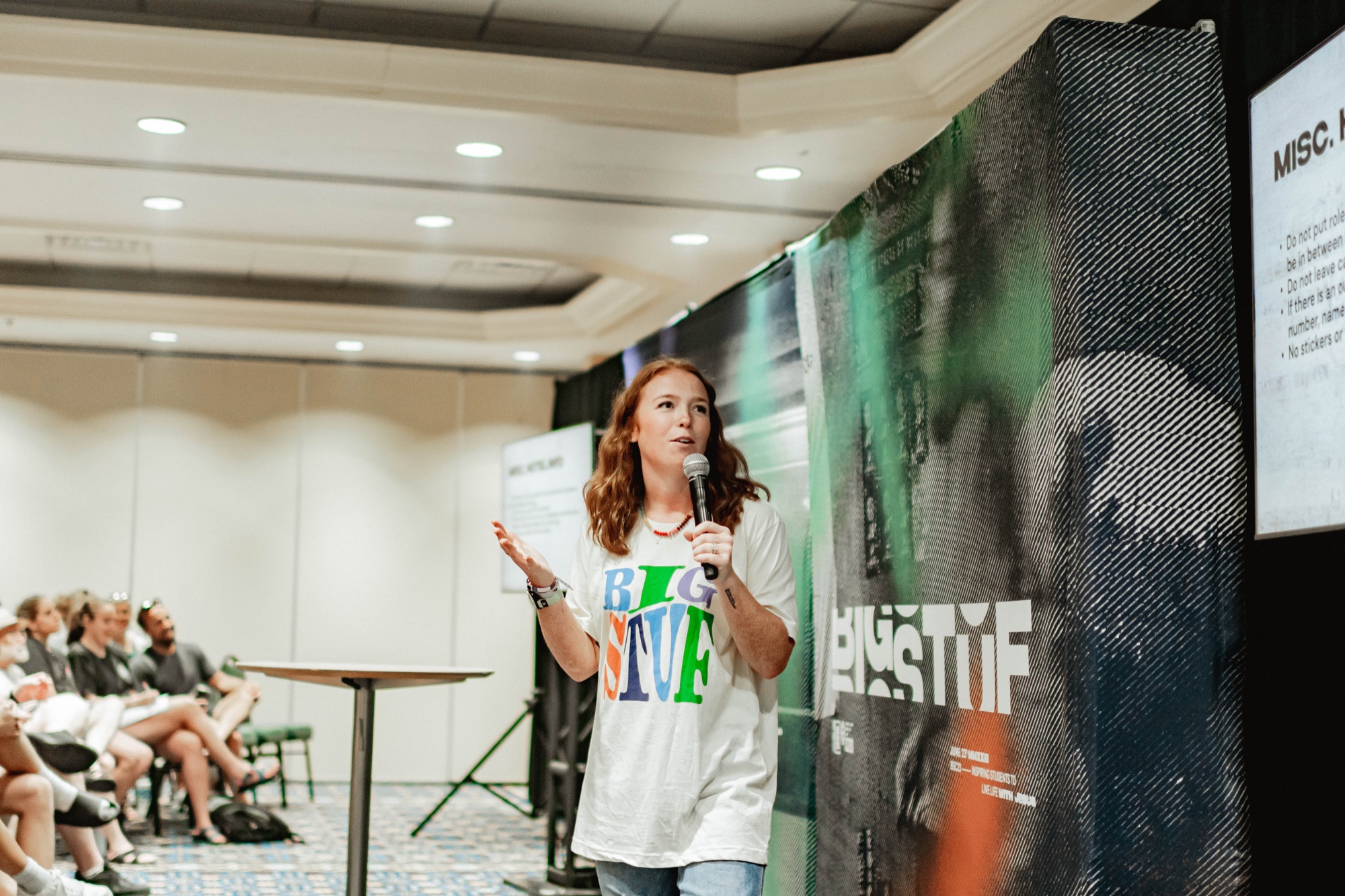
Planning a BigStuf week
BigStuf is one example of a church-group camp model with worship, teaching, small groups, recreation, beach time, and leader support in Panama City Beach. Review current details only on the SMMR page, Panama City Beach guide, Help Center, and BigStuf Updates.
Youth group summer camp planning FAQs
When should a church start planning summer camp?
Start 10 to 12 months before the trip when possible. Smaller groups or camps with flexible lodging may need less time, but early planning improves budgeting, leader recruitment, and parent communication.
What should be included in a youth camp budget?
Include registration, lodging, transportation, fuel, drivers, travel meals, leader costs, supplies, insurance requirements, scholarships, fundraising expenses, and contingency funds.
What information do parents need?
Parents need purpose, dates, location, cost, deadlines, transportation, lodging, meals, supervision, forms, medication procedures, phone rules, packing guidance, emergency communication, and a named contact.
How many adult leaders should attend?
Follow the camp’s current ratios and your church’s policies. Then consider student ages, gender representation, transportation, accessibility, care needs, and the experience of the adult team.