Editorial review: Reviewed by the BigStuf Ministry Team and updated August 12, 2026. Program details can change, so confirm dates, pricing, policies, and availability with each camp before making a decision.
The best Christian summer camps for teens are not identical. Every camp can promise meaningful worship, strong teaching, and a memorable week, but youth pastors still have to ask: Will this experience fit our ministry goals? Can our leaders support students well? Will parents understand the plan? What does the full trip require beyond the camp program?
This guide gives youth leaders a neutral framework for comparing Christian youth camp options. It does not rank camps or repeat pricing, dates, deposits, availability, or travel claims that can change from season to season. Instead, it focuses on the questions that remain useful whenever your church begins planning.
2027 Christian summer camp comparison at a glance
- Ministry fit: Decide whether your group needs a destination camp, denominational program, local retreat, or program-only event.
- Student experience: Compare teaching, worship, small groups, recreation, and time for your church to reconnect.
- Leader support: Check whether adult leaders receive training, practical resources, rest, and access to camp staff.
- Location and logistics: Compare travel distance, lodging, meals, transportation between activities, supervision, and accessibility.
- Total trip cost: Include transportation, leader expenses, meals outside the program, shirts, activities, scholarships, and contingency funds.
For a program-by-program view, use the 2027 Christian youth camp comparison alongside this selection framework.
Start with the outcome your youth ministry needs
Before comparing locations or promotional videos, name what you want the week to accomplish. A youth group summer camp can create space for worship, honest conversations, new friendships, leader development, and follow-up momentum. Different camps emphasize those outcomes in different ways.
Ask your team:
- What do our students need most right now?
- What should leaders be equipped to do during and after camp?
- How much structured group time do we want?
- Which parts of the experience should the camp handle, and which parts can our church manage?
- What would make parents feel informed and prepared?
A written answer gives your team a standard for comparing camps. It also prevents a familiar name, a low headline price, or a dramatic highlight reel from making the decision for you.
How to compare Christian summer camps for teens
1. Teaching and worship
Review the camp’s approach to Scripture, speakers, worship, and small-group discussion. Look beyond the stage. Ask how students process what they hear and how leaders can continue those conversations at home. BigStuf combines large-group sessions with time for church groups to talk together. Explore worship at BigStuf and the broader BigStuf SMMR experience before deciding whether that rhythm fits your ministry.
2. Leader support
A strong Christian youth camp should serve the adults responsible for the trip, not only the students attending it. Ask whether leaders receive training, discussion tools, rest, practical guidance, and access to camp staff. BigStuf’s Leader Labs are designed to give youth leaders useful ministry support during the week.
3. Daily rhythm and group connection
Two camps can offer similar sessions and still create very different weeks. Compare wake-up times, meals, free time, worship, group discussion, evening activities, and travel between locations. Consider how much energy your students will have left for the conversations your ministry values most.
Ask for a sample schedule and identify the moments when your church group will reconnect. Those moments often determine whether students simply attend a program or experience camp as a ministry community.
4. Lodging, meals, transportation, and supervision
Look at the whole trip, not only the program. Confirm who arranges lodging and meals, how students move between activities, what supervision the camp expects from church leaders, and which transportation costs remain with your group. Policies and arrangements can change, so confirm current details directly with each organization before making commitments.
5. Parent communication and student readiness
Parents need clear information about travel, lodging, schedules, packing, contact procedures, accessibility, and the responsibilities of church leaders. Students need to know what the week will feel like and what is expected of them. Use each camp’s official information rather than old blog posts or third-party summaries. BigStuf’s Help Center is the best starting point for current answers.
6. The complete cost of the trip
Do not compare camps using one advertised number. Build a complete estimate that includes the current camp rate, transportation, leader costs, meals outside the program, overnight stops, shirts, activities, scholarships, and a reasonable contingency. Request current terms directly from every camp you are considering. Avoid relying on pricing or deposit information from previous seasons.
Our youth group camp comparison worksheet can help your team evaluate the same categories across every option.
Questions to ask every Christian youth camp
- What is included in the current registration rate?
- Which costs remain the responsibility of the church?
- What are the current payment, cancellation, and group-size policies?
- How are students assigned to rooms and supervised?
- How does the camp support students with accessibility or dietary needs?
- What should leaders expect to manage each day?
- How are emergencies and parent communication handled?
- What resources help churches prepare before camp and follow up afterward?
Write down the answers and note the date you received them. That small step protects your team from building a plan around information that later changes.
Where BigStuf fits
BigStuf is a five-day Christian summer camp experience in Panama City Beach, Florida, created for middle and high school church groups. The week brings worship, teaching, small-group conversations, meals, lodging, beach time, and leader support into one shared experience. BigStuf has served youth ministries since 1988.
That structure may fit churches that want students and leaders to experience camp together while the BigStuf team manages much of the on-site program. It will not be the right fit for every ministry. Some churches may prefer a smaller retreat, a location closer to home, a denominational program, or a camp where the church builds more of the schedule itself.
The useful question is not whether one camp is universally best. The useful question is whether the camp’s structure supports your students, leaders, parents, budget, and ministry goals.
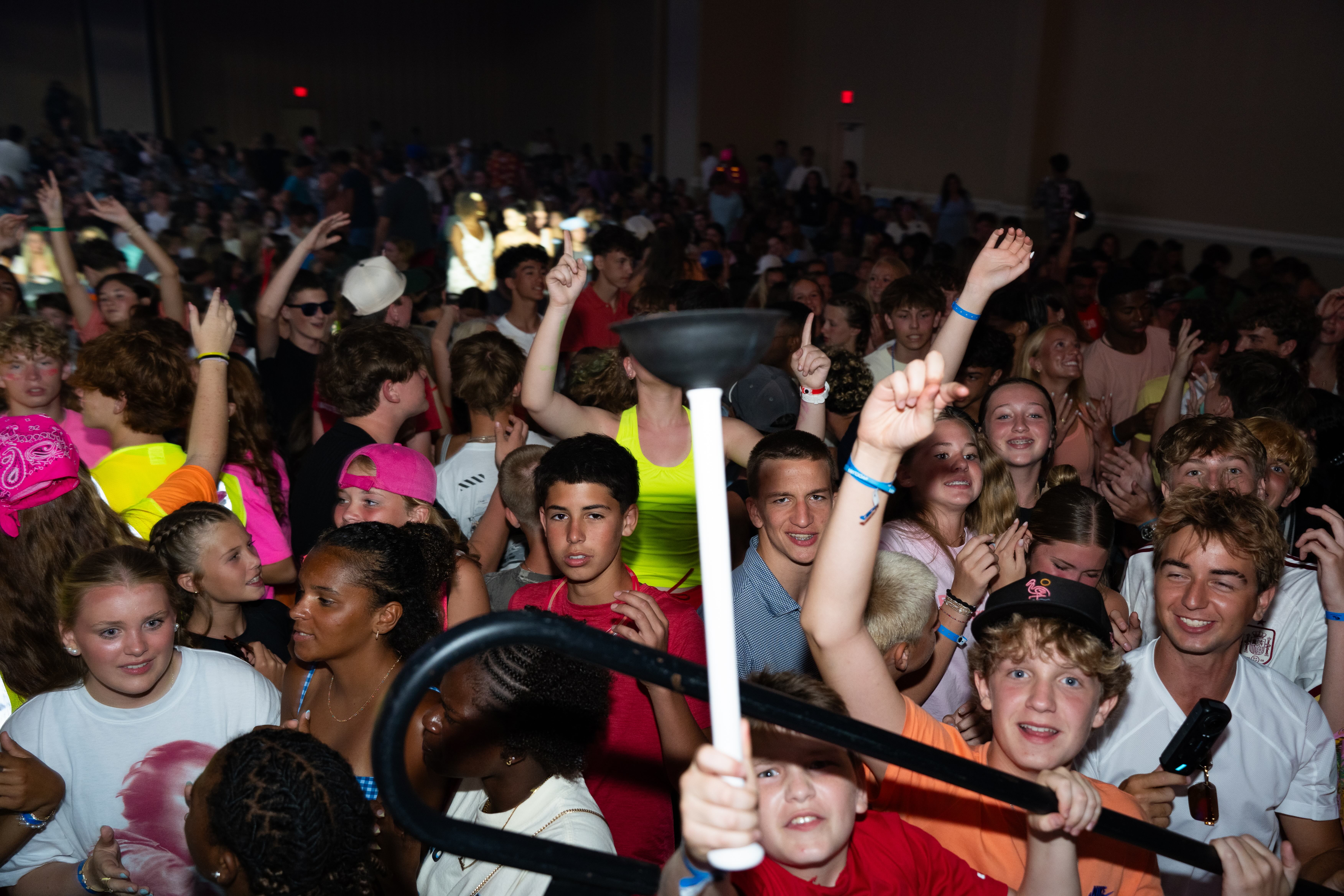
How BigStuf differs from other camp formats
Christian summer camps for teens generally fall into several formats:
- Destination youth-group camps bring multiple churches together for a programmed week with worship, teaching, and group time.
- Denominational or network camps often align closely with a church network’s theology, leaders, and ministry relationships.
- Local retreat camps reduce travel and may give churches more control over the schedule.
- Program-only events provide sessions while churches arrange more of the lodging, meals, and transportation.
BigStuf belongs in the destination youth-group camp category. Compare that model with the alternatives your church is considering, then verify all current operational details with the camp itself.
A practical decision process for youth pastors
- Define the ministry outcome. Agree on what students and leaders should carry home.
- Set a complete trip budget. Include every predictable expense, not only registration.
- Shortlist two or three formats. Compare the type of experience before comparing brands.
- Gather current information. Use official pages and direct conversations.
- Invite leader and parent input. Surface concerns before registration begins.
- Choose the best fit and build follow-up. Plan the weeks after camp while planning the trip itself.
Planning for a future BigStuf summer
Visit the SMMR camp page for the current public overview. If your church is comparing options for a future season, join the BigStuf 2027 updates list so you receive confirmed details when BigStuf releases them. Do not rely on old dates, rates, deposits, or availability claims.
You can also review leader development at camp, explore BigStuf worship, and use the camp FAQs to prepare better questions for your team.

Choose the camp your ministry can support well
The best youth group summer camp is the one your church can prepare for honestly, lead responsibly, and follow up intentionally. A great week matters. What your leaders do before and after that week matters just as much.
Use a consistent comparison process, confirm every changing detail with the camp, and choose the experience that gives your students and leaders the clearest path to grow together.