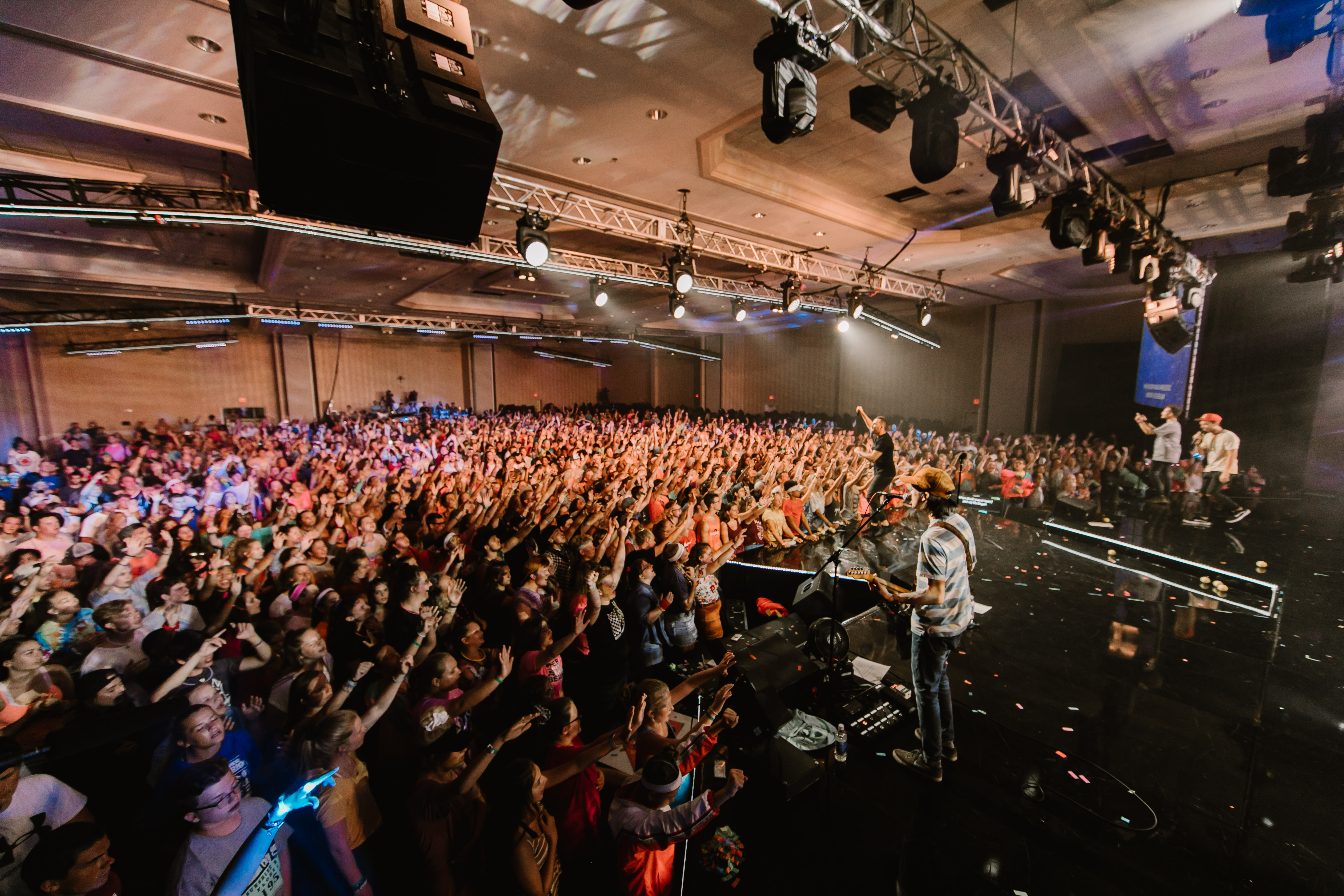
At a Christian summer camp, teens can usually expect worship and teaching, small-group conversations, recreation, shared rooms, meals with their church group, and a schedule that feels fuller than a normal week at home. You do not need to arrive knowing everyone, feeling fearless, or having your faith figured out. Learn the basic plan, pack for the setting, and know which adult leader you can ask for help.
This first-time guide covers what Christian youth camp may feel like for a student. Every camp and church is different, so your group leader’s current instructions always come first.
What to expect at Christian summer camp
- A structured daily schedule with some free time
- Large worship and teaching sessions
- Small-group conversations with your church
- Shared lodging and group meals
- Recreation, games, or outdoor activities
- Phone and spending-money rules
- New people and stronger friendships
- Moments that feel exciting, quiet, awkward, meaningful, or tiring
Table of contents
- Arrival and the first day
- Worship and teaching
- Small groups and friendships
- Free time and activities
- Phones and group rules
- Homesickness and asking for help
- Beach and weather preparation
- Student FAQs
The first day may feel busy
Arrival often includes unloading, check-in, room assignments, meeting leaders, learning the schedule, and finding where everything is. You may feel excited and overwhelmed at the same time. That is normal.
Keep your travel-day bag with you until your leader says otherwise. Learn your room number, meeting location, group leader’s name, and the plan for the first meal or session.
Worship and teaching can feel different from church at home
Camp worship may be louder and larger than your normal student service. You might know every song, or none of them. You do not have to copy the person beside you. Listen, participate honestly, and give other students room to respond in their own way.
Teaching sessions often focus on faith, identity, relationships, purpose, and everyday choices. Write down the questions or ideas you want to discuss later. BigStuf’s worship page shows one example of how a Christian youth camp approaches the room.

Small groups are where you can ask real questions
After a session, your church group may meet to talk about what everyone heard. You can speak, listen, ask a question, or say you are still thinking. A good leader will not expect every student to have the same reaction.
Friendships often grow in ordinary moments: the bus ride, waiting for food, walking to a session, playing a game, or talking after lights-out within group rules. You may not become best friends with everyone. Aim to learn a few names and include the person standing alone.
Free time is fun, but it is still group time
Depending on the camp, free time may include a beach, pool, sports, games, rest, or time with your church group. Follow boundaries for water, activities, check-ins, and where students may go. Tell a leader before changing locations.
Phones, money, and group expectations
Some churches collect phones during sessions. Others allow limited use. Ask before the trip. Bring only the spending money your leader recommends and keep it in a secure place.
Group rules may cover dress, room access, curfew, swimming, relationships, leaving the property, substances, and respectful behavior. Learn them before arrival. If you make a mistake, tell a leader instead of making the problem harder to solve.
Homesickness does not mean camp is going badly
You can miss home and still have a good week. Tell a trusted leader early. Eat, drink water, rest when you can, and stay near someone familiar. Do not disappear or make a private pickup plan without involving your adult leader and parent.
If you feel unsafe, unwell, bullied, pressured, or unable to cope, speak to an adult leader immediately. Asking for help is not creating drama. It gives adults the chance to care for you.
Pack for heat, rain, shared rooms, and travel
For a beach camp, expect sun, humidity, sand, sudden rain, cold air-conditioned rooms, and wet clothes. Bring the items on your church’s list, label your belongings, and keep water, a light layer, and travel essentials in a small bag.
Use the Christian summer camp packing checklist for clothing, beach gear, toiletries, bedding questions, travel day, documents, and what to leave home.

What a BigStuf week may include
BigStuf is one Christian summer camp example for church youth groups. The experience includes worship, teaching, small groups, recreation, beach time, and support for the adults who travel with students. Review the current SMMR overview, Panama City Beach camp guide, and Help Center with your parent or leader.
First-time Christian summer camp FAQs
Do I need to know the Bible well before camp?
No. Bring your questions and participate at your current level. Your leader can help you find passages or explain unfamiliar language.
What if I do not know anyone?
Tell your leader before the trip. Ask to meet your roommate or small-group leader early. On arrival, learn one name at a time and join the activity your group is already doing.
Will I have to speak in small group?
Expect an invitation to participate, but honest participation can include listening or saying you are still thinking. Ask your church leader about its group expectations.
Can I bring my phone?
Phone rules vary. Confirm the policy before packing and tell your family when they should expect to hear from you.
What if the weather is bad?
Camps and church leaders adjust activities for weather. Bring the requested rain layer and follow instructions about heat, lightning, water, and indoor locations.
What should I do if I need help?
Find your assigned adult leader or another trusted staff member immediately. Learn those names and meeting locations on the first day.