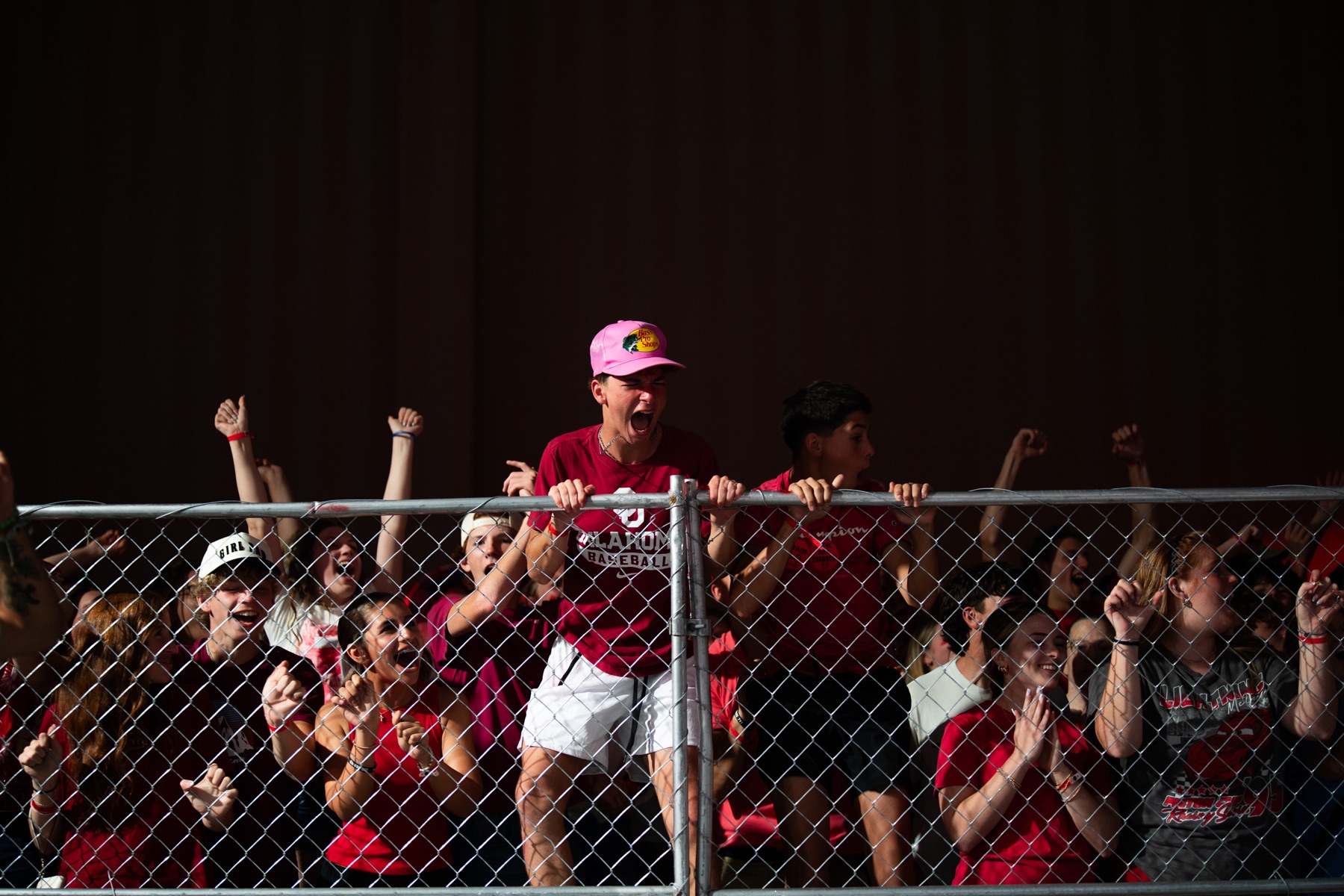
Worship is often one of the first things churches notice when comparing Christian youth camps. They watch the recap video, see the stage, and imagine their students in the room.
Production can shape an environment, but it does not explain why worship matters.
Worship at Christian youth camp matters when it helps students participate honestly, creates shared language for leaders and students, and opens conversations that can continue after the session ends.
What BigStuf’s 2026 leaders said about worship
BigStuf received 71 post-camp survey responses across three 2026 camp weeks. The response-weighted worship rating was approximately 4.65 out of 5.
Open-text responses added context to that number. Leaders described worship as intentional, accessible, unhurried, and closely connected to teaching and small-group discussion.
These results describe the respondents to BigStuf’s 2026 post-camp surveys. They do not represent every student or every Christian camp. They offer a useful picture of what youth leaders noticed when worship served their students well.
Participation matters more than spectacle
Teenagers can tell when a room expects them to perform a reaction. They can also tell when leaders are present, prepared, and willing to make room for a genuine response.
One Camp 2 respondent praised “the way the worship team and speaking team appeared to yield to what God was doing, prioritizing presence over programming.” The leader added that intentional space helped students and adults engage more deeply.
That language does not argue against planning. Thoughtful worship requires rehearsal, technical preparation, clear transitions, and responsible leadership. The plan should serve participation. Students need room to listen, sing, reflect, ask questions, or speak with a trusted adult without being treated as if everyone must respond in the same way.

Worship and teaching create shared language
A youth pastor cannot predict which sentence a student will remember. Camp gives leaders and students a common set of songs, stories, ideas, and questions they can return to together.
Among the 69 church-group leaders who answered whether BigStuf’s 2026 content applied to their students, all 69 said yes. That result covers the wider content experience, not worship alone, but it helps explain why worship, teaching, and discussion should be planned as connected parts of the week.
One Camp 1 leader praised the back-home application of the teaching and said it led to “some very good small group conversations.” Another wrote that the talks led to significant discussion.
The session matters, but the conversation afterward often reveals whether students understood it, resisted it, or need more time with it.
Accessible leaders make worship feel less distant
The people on stage shape more than the sound of the room. Students watch how they speak, how they treat people, and whether they appear approachable outside the set.
One Camp 2 respondent wrote that the worship team and speakers “made themselves so accessible and so human” and that students could see them as real people.
This is especially useful for teenagers who assume that confidence on stage means certainty in every part of life. An accessible worship leader can model preparation, humility, joy, and attention without presenting faith as a performance.
Church teams comparing camps can ask whether worship and teaching leaders participate in the wider experience, how sessions transition into group discussion, and whether the event gives local leaders space to process with students.
Small groups help students find their own words
Music can give a student language before they can explain what they feel. Small groups help them test that language in conversation.
A well-led discussion does not force a dramatic answer. It helps students name what stood out, what confused them, what they disagreed with, and what they want to carry home.
Useful prompts are clear enough for middle-school students, substantial enough for high-school students, and connected closely enough to the session that leaders do not have to rebuild the conversation from scratch.
Youth pastors should also protect the role of the local leader. A camp speaker may introduce the idea, but the adult who knows the student is usually better positioned to notice hesitation, context, or a need for follow-up.

What parents should understand about camp worship
Parents may see photos of a large room and wonder whether their teenager will feel pressured, overwhelmed, or lost in the crowd. Those are reasonable questions.
- Who will sit near or check in with my student during sessions?
- How does the group process worship and teaching afterward?
- What happens if my teenager has questions or does not want to participate in the same way as others?
- How are sound levels, accessibility needs, and sensory concerns handled?
- Who will communicate with me if a larger concern arises?
A trustworthy answer should describe people and processes, not promise a spiritual outcome. The parent guide to Christian summer camp covers more questions about cost, supervision, homesickness, friendship, and faith conversations.
What youth pastors should look for
- Participation: Can students engage without being pressured to imitate a particular emotional response?
- Connection: Do worship and teaching support the same larger purpose?
- Accessibility: Do the people leading the room feel human and approachable?
- Processing: Is there protected time for small groups and trusted conversations?
- Follow-up: Will the church receive ideas and language it can carry into ministry at home?
These questions are more useful than asking whether a band is impressive or a room is energetic. Energy may help students participate. The deeper measure is whether the experience supports honest discipleship.
Carry the conversation home
The final worship session should not be the final conversation.
- Choose one gathering where students can share what they are still thinking about.
- Give small-group leaders the themes and questions they will revisit.
- Contact first-time students personally.
- Help parents understand the language students heard at camp.
- Make room for students whose experience was quieter or more complicated.
- Identify next steps without turning every response into a public story.
BigStuf’s Leader Labs support the adults responsible for those conversations. The youth group camp planning timeline can help teams plan follow-up alongside travel, communication, and logistics.
Leader Labs are available at camp and all year long. Sessions during camp are included in camp registration. A separate year-round subscription provides a monthly Culture Intelligence Brief, weekly curated resources for youth leaders, adult volunteers and parents, and an annual Leader Training Experience. Explore both Leader Labs options.
Why worship matters
Worship matters at Christian youth camp because students and leaders experience it together. It can create attention, shared language, and room for conversations that do not fit neatly inside a normal weekly schedule.
The 2026 survey rating gives BigStuf a strong proof point. The written responses explain the standard behind it: worship should feel intentional and accessible, connect with teaching, and leave space for trusted leaders to help students process what comes next.
Learn more about worship at BigStuf, explore the SMMR camp experience, or visit the Help Center for current planning information.